Welcome!

Technology in the EFL Classroom
Showing posts with label News. Show all posts

New Trends


Keeping up with all the latest trends in technology can be quite confusing. Virtual Classroom, Flipped Classroom, Digital Citezenship...it is not easy to draw clear boundaries between what each of them refer to. 

This infographic will definately help you master some of the most important words to know in edtech! (Click to enlarge.)

http://figures.boundless.com.s3.amazonaws.com/infographics/Boundless-EdTech-buzzwords.jpg

Popular Posts


Popular Posts: January 2014 Edition

Hello from Argentina! It is hard to believe that the first month of the year ended. It has been a great month for me because I decided to start my blog.

30 posts were published on Tools 4 EFLTeachers this month. Here are the five most popular posts:


Like Tools 4 EFLTeachers on Facebook

Find me on Twitter, or on Google+

Digital Citizenship


What is Digital Citizenship?

Digital Citizenship is all about using media in a responsible, ethical, safe, and effective way.

Why teaching Digital Citizenship?

Because it helps students...

  • explore the impact of digital media on their lives and communities. (Participation)
  • learn about the impact of their digital footprints. (Privacy)
  • learn skills to deal with negative behaviours, such as cyberbullying.  (Credibility)
  • think critically about their online identities. (Identity)
  • respect creative work. (Authorship/Ownership)
With the growing influence of social media on employee recruitment, it is a teachers' responsability to ensure their students are aware of their digital footprint. So, how to prepare students for the future?


The Virtual Classroom


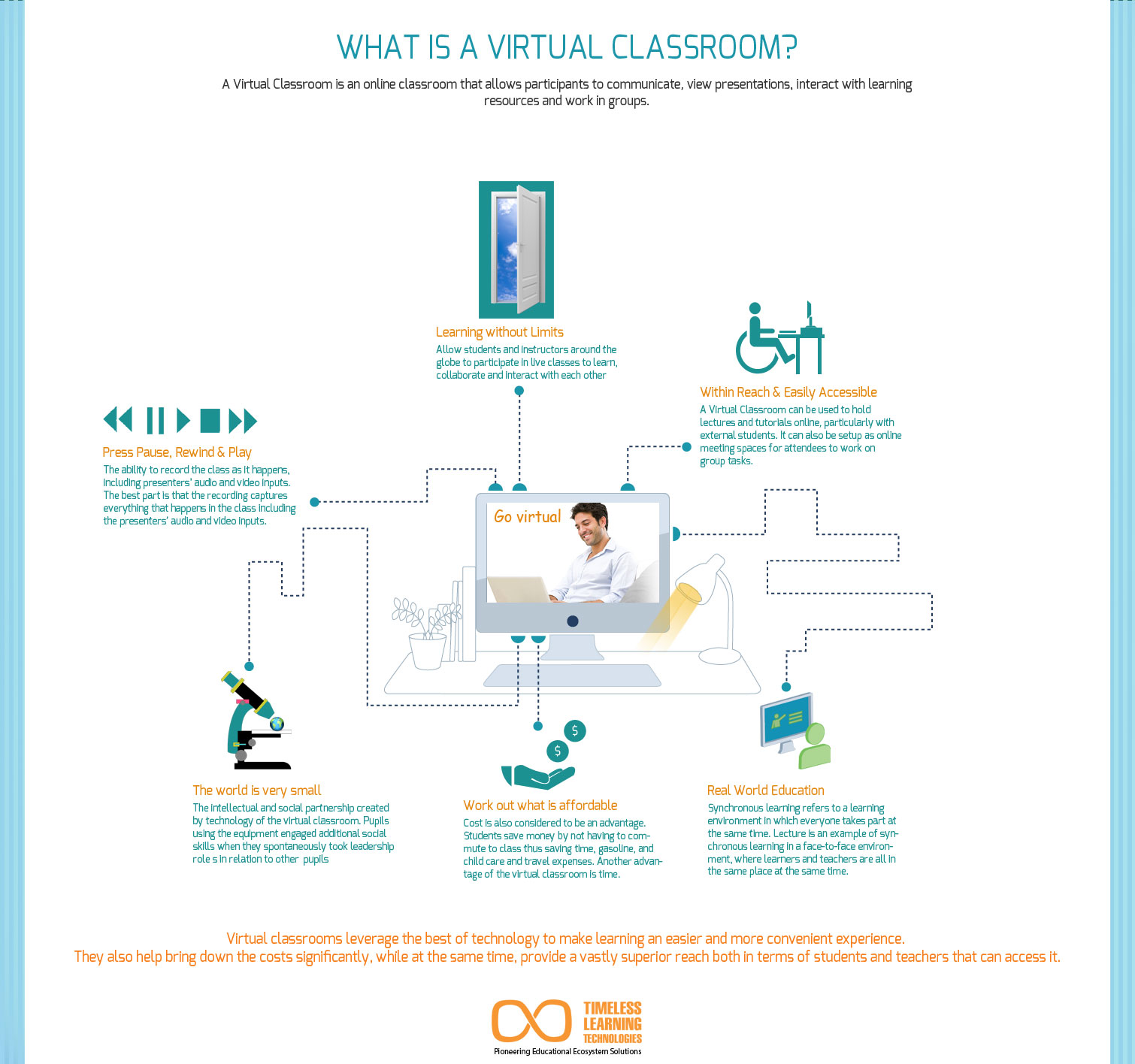
What is a Virtual Classroom?

A Virtual Classroom is an online classroom that allows participants to communicate with one another, view presentations or videos, interact with other participants, and engage with resources in work groups.

Click on the image to enlarge.


What is the real aim of the Virtual Classroom?

The real aim of the Virtual Classroom is not to replace the traditional classroom because the technology is advancing, but to offer a more interactive and collaborative learning environment


What are the typical elements of the Virtual Classroom?

The Virtual Classroom typically include some or all of the following elements:

Text Chat - People can type what they would like others to see in real time.

Shared Whiteboard - A blank screen where people can share information, write comments, and draw pictures in real time.

Presentation Capability - Teachers have multiple options for presentation content from audio/video/multimedia lectures, to self guided power points.

Audio - People can share information with a microphone and speakers.

Polling or Survey Tools - The ablility to take a survey and publish the results possibly on the white board.

Break-Out Rooms - A way of breaking the session into or more sub rooms where listeners can listen to a guest speaker, ask questions, or just interact in a smaller setting.

Web Tours - Using tools included in many virtual classroom programs people can be taken on a virtual tour of a webpage or project through sharing of a program.

The 21st Century Classroom


What is the 21st Century Classroom?

21st Century Classroom has given a new dimension to education envolving students to use various applications, Web 2.0 and other technological tools. It has changed the old traditional concepts of learning to keep balance with modern technological world.

Technology is undeniably changing the face of education, and it is easy to see the impact already. 

What are the components of the 21st Century Classroom?

Imagine what classrooms will be like in 20 years with the speed of tecnological innovation. Learn more about some of the key advancements in the 21st century:

  • Real World Education
  • Online Courses
  • Games and Gamification
  • Learning Analytics
  • Open Source Textbooks
  • Integration of Social Networks 

Click on the image to enlarge.

21st Century Classroom

The Digital Classroom


What is the Digital Classroom? 

A teacher standing at the front of at the front of the room at the chalkboard is one of the iconic images of education. Smartboards and other digital technologies, however, are changing how classrooms are structured, how teachers teach, and how students learn. Today's classrooms are entirely different from the classrooms we studied in. 

Technology is a great tool to engage students in learning as it makes learning simple, effective and efficient. So, the more engaged students are, the better results teachers are going to get.

What are the elements of the Digital Classroom?

The following infographic shows how classrooms are changing and explains the way the digital classroom tools are replacing traditional ones, including:

  • eBooks
  • Book Rental via Kindle
  • iPads
  • Open Source Software
  • iTunesU
  • Digital Cameras, Projectors, and Headphones
Digital Classroom Infographic

The Flipped Classroom


What is the Flipped Classroom?

The digital era has brought many tools that now allow for a more collaborative kind of classroom. Many teachers are using a new method of teaching in order to turn the traditional classroom on its head. This inversion of the traditional teaching model generates more interaction between teacher, student and course material. 


What are the aims of the Flipped Classroom?

  • Create an engaging, interactive environment that is student-centered.
  • Make the best use of your face-to-face time with your students. 
  • Practice, application, and working with content is done inside of class.
  • Focus on deeper meaning and connections, not just basic rote memorization and practice. 

What are the components of the Flipped Classroom?

Educational technology and activity learning are two key components of the flipped classroom model. They both influence student learning environments in fundamental ways.


Flipped Classroom